Stroke Awareness: Know the Signs of Stroke & How to Act

By: Hally Spiller
Date: Apr 23, 2025

In the United States, someone has a stroke about every 40 seconds. And when a stroke occurs, every second counts.

The impact of a stroke can vary widely, affecting everything from movement and speech to memory loss. That's why it's important to act fast during a stroke. Recognizing the signs of a stroke and acting immediately might mean the difference between a full recovery, long-term disability or even life and death.

Learn stroke warning signs and how to recognize stroke so you're ready to jump into life-saving action.



What happens during a stroke? 

A stroke occurs when the blood supply to the brain is blocked or reduced, or when a blood vessel in the brain bursts. Without the flow of blood, brain cells can die within minutes because they’re not getting the oxygen and nutrients they need. This is known as having a stroke—or "brain attack."

When is it time to call 911 for stroke? Immediately. Be ready to act quickly by calling emergency services or going to the nearest emergency room. The longer the brain is without blood supply, the more severe effects of stroke will be.
Cancer Care

Subscribe to our newsletter

Register to receive our newsletter, Emory Healthcare Pulse, and stay up-to-date on the latest news, events, information and more from Emory Healthcare. Subscribe Now

Risk factors for a stroke

Many strokes are linked to preventable risk factors including:

  • Tobacco use
  • Hypertension (high blood pressure)
  • Diabetes
  • High cholesterol
  • Obesity
  • Sedentary lifestyle
  • Being 65 or older
  • Irregular heartbeat (atrial fibrillation)

Signs of stroke


The majority of stroke signs appear suddenly. Experts have come up with the "BE FAST" stroke acronym to help you spot symptoms of a stroke.

  • B – Balance. Loss of balance
  • E – Eyes. Ask the person if they can count your fingers. They may experience blurred vision or loss of vision.
  • F – Face. Ask the person to smile. They may experience weakness or numbness on one side of the face, causing their face to droop.
  • A – Arm. Ask the person to raise both arms. They may not be able to or one arm may drift down.
  • S – Speech. Ask them to repeat a sentence. Their speech may be slurred or they may have difficulty speaking.
  • T – Time. If you see any of these signs, it's time to call 911 or seek emergency help.
Some individuals may experience early signs of stroke, such as headaches or even mini-strokes—which mimic sudden stroke symptoms but may only last a few minutes or hours.

How common are strokes?

Stroke is a leading cause of death and long-term disability in the United States. Stroke risk increases with age, but strokes are also rising among younger adults. Recent CDC data shows stroke prevalence has increased nearly 15% among people ages 18 to 44 over the past decade.

The Stroke Belt is a nine-state region recognized by public health officials for having a higher rate of stroke. It includes Alabama, Arkansas, Georgia, Kentucky, Louisiana, Mississippi, North Carolina, South Carolina and Tennessee.

Types of stroke and how they are treated

Stroke care at Emory Healthcare Stroke Center includes rapid diagnosis and treatment. Treatment for stroke can look different depending on the type of stroke and how much damage has occurred.

There are three main types of stroke:

  • Ischemic stroke: This is by far the most common type of stroke. It occurs when arteries that lead to the brain become blocked. Sometimes the blockages are caused by blood clots, called a thrombus.

    After an ischemic stroke, patients may be given medicine to break up blood clots.

    For some ischemic strokes, doctors may perform a minimally invasive procedure called a thrombectomy to quickly remove the clot and restore blood flow to the brain.
  • Transient ischemic attack (TIA): This is sometimes called a “mini-stroke” because blood flow to the brain is only impaired for a short amount of time — usually less than five minutes. TIAs still require immediate medical care and are typically a warning sign that another — perhaps major — stroke will occur. Emergency physicians will evaluate what caused the TIA and may prescribe medication to prevent future blood clots and/or perform a medical intervention to clear affected arteries.
  • Hemorrhagic stroke: These are the deadliest and most rare type of stroke. They occur when an artery breaks and leaks blood into the brain. The blood puts too much pressure on the surrounding brain tissue and damages the brain cells. Treatment for hemorrhagic stroke focuses on stopping the bleeding and saving brain tissue. This might be achieved using medicine, surgery or a combination of medical procedures.

Rehabilitation is often needed as part of stroke recovery.

Preventing strokes

Even people with multiple risk factors can work proactively to prevent stroke. The following healthy habits can help reduce risk:

  • Quitting smoking
  • Maintaining an ideal weight
  • Exercising regularly
  • Eating a healthy diet
  • Limiting alcohol Managing stress
  • Reducing cholesterol

Once someone has had a stroke, however, their chances of experiencing another are significantly higher. Treating the underlying causes of stroke, including heart disease, high blood pressure, irregular heartbeat, high cholesterol and diabetes, is imperative.

Emory Brain Health Center

The brain is the center of all your thoughts, behavior and movement. That’s why brain health care at Emory Healthcare is transforming patient-centered care by bringing more than 400 experts subspecialized in every type of brain condition together. From stroke to brain tumors to epilepsy and psychiatric conditions—we can treat all diseases and conditions of the brain.

Our world-renowned center offers patients accurate diagnosis and custom treatment options to deliver lifesaving care. Unlike any other health care system in the country, we combine five brain health specialties: neurology, neurosurgery, psychiatry & behavioral sciences, rehabilitation medicine, and sleep medicine under one roof.

With our creative partnerships between specialties, we're able to quickly diagnose conditions and develop treatment plans that change patients' lives. You can learn more about some of our team’s remarkable work in "Your Fantastic Mind," a PBS television series syndicated throughout the United States.

This article was originally published on 5/3/2023 and has since been updated.

Related Posts

  • stroke patient tiffany
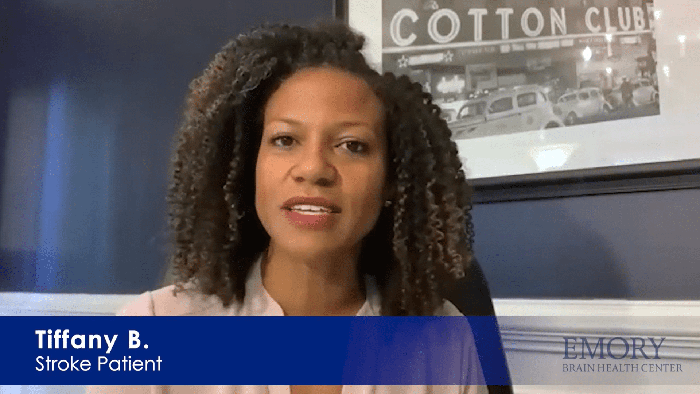
    When Tiffany’s sister had a stroke, she found the best possible care for her at Emory Healthcare. Tiffany would need that care herself a few years later.
  • bees buzzing outside a cabin
    Jerry Grillo's story of surviving and recovering from a cerebellar stroke under the care of Emory Healthcare neurologist Dr. Fadi Nahab.
  • C. Michael Cawley, MD
    Michael Cawley, MD, earns new role as director of the Emory MBNA Stroke Center, one of the nation’s leading stroke treatment and research centers.

Emory Healthcare Pulse

For more stories and health and wellness tips, sign up for our monthly newsletter.


Recent Posts