
- Most people need a flu shot every year.
- The flu shot can reduce severe illness.
- You can't get the flu from a flu shot.
- September and October are ideal times to get vaccinated.
- Getting vaccinated helps protect your community.
Who Needs a Flu Shot and When Should You Get One?
Date: Sep 5, 2026

As flu season approaches, many people have the same questions: Do I really need a flu shot? When should I get it? And are there new vaccine options this year?
The flu vaccine remains one of the best ways to protect yourself and those around you from serious illness. Researchers also continue to develop new ways to prevent the flu, including an mRNA flu vaccine recently approved by the FDA for adults 50 and older.
Lytani Wilson, MD, MPH, a family medicine physician, says that while vaccine technology may evolve, the most important message hasn’t changed: Get vaccinated each year.

Subscribe to our newsletter
Register to receive our newsletter, Emory Healthcare Pulse, and stay up-to-date on the latest news, events, information and more from Emory Healthcare. Subscribe Now
Why do I need a flu shot every year?
Unlike some viruses that stay relatively stable, flu viruses change from year to year. Researchers around the world track which flu strains are circulating and use that information to develop the vaccine for the upcoming season.
“That’s why the vaccine is offered every year,” Dr. Wilson says. “The flu in and of itself is never exactly the same as it was the year prior.”
Because flu vaccines must be produced before flu season begins, scientists develop them to target the strains expected to circulate.
“We’re doing our best effort to say these are the strains that you’re most likely to come in contact with,” she says.
The goal, when it comes to a flu vaccine, is not only to prevent infection. It’s also to minimize the severity.
Lytani Wilson, MD, MPH, family medicine physician
What if I get the flu shot and still get sick?
This is one of the most common concerns Dr. Wilson hears from patients.
“I’ve gotten the flu shot before, and I still got the flu, so I don’t see a benefit in getting it,” patients often tell her.
But no vaccine provides 100% protection.
“The goal, when it comes to a flu vaccine, is not only to prevent infection,” Dr. Wilson says. “It’s also to minimize the severity. If you were to get the flu, it’s going to reduce the likelihood that it becomes a severe illness that might put you in the hospital.”
Even if you develop the flu after vaccination, the vaccine can help reduce your risk of serious complications, hospitalization and death.
The injectable flu shot can’t cause the flu because it’s not an active live flu virus.
Lytani Wilson, MD, MPH, family medicine physician
Can the flu shot give you the flu?
No. The injectable flu vaccine cannot give you the flu.
“The injectable flu shot can’t cause the flu because it’s not an active live flu virus,” Dr. Wilson says.
Some people experience mild side effects after vaccination, including soreness where the shot was given, fatigue or a low-grade fever. These symptoms are signs that your immune system is responding to the vaccine — not that you have the flu.
“The whole purpose of the vaccine is to activate your immune system,” Dr. Wilson says. “You might feel slightly feverish or a little more tired because your immune system is active and working, which is what we wanted it to do.”
“The injectable flu shot can’t cause the flu because it’s not an active live flu virus,” Dr. Wilson says.
Some people experience mild side effects after vaccination, including soreness where the shot was given, fatigue or a low-grade fever. These symptoms are signs that your immune system is responding to the vaccine — not that you have the flu.
“The whole purpose of the vaccine is to activate your immune system,” Dr. Wilson says. “You might feel slightly feverish or a little more tired because your immune system is active and working, which is what we wanted it to do.”
When should I get a flu shot?
Timing matters. For most adults, September or October are generally good times to get vaccinated, before flu activity typically increases.
Getting vaccinated too early may mean your protection begins to decrease before peak flu season. But if you miss the September-October window, it’s still worth getting vaccinated.
“It’s never too late to get it,” Dr. Wilson says. “We’ll still see people testing positive for the flu in December and January and even into February.”
Everybody’s healthy until they’re not. Being young and healthy does not mean there can’t be a particularly virulent strain of the flu virus going around.
Lytani Wilson, MD, MPH, family medicine physician
Who should get a flu shot?
The Centers for Disease Control and Prevention (CDC) recommends annual flu vaccination for everyone 6 months and older, with rare exceptions.
Some people are at greater risk of developing serious complications from the flu, including:
- Adults 65 and older
- Pregnant people
- Young children
- People with weakened immune systems
- People with certain chronic health conditions
“Basically, it’s people who are predisposed to having a poor outcome,” Dr. Wilson says.
But being young and healthy doesn’t mean you don’t need a flu shot.
“Everybody’s healthy until they’re not,” she says. “Being young and healthy does not mean there can’t be a particularly virulent strain of the flu virus going around.”
Can I get a flu shot, COVID-19 vaccine and RSV vaccine at the same time?
In many cases, yes.
“There is no contraindication to getting all of them together,” Dr. Wilson says.
Some people may experience more noticeable side effects when receiving multiple vaccines on the same day because the immune system is responding to each one. But receiving recommended vaccines during the same visit can be a safe and convenient option.
Talk with your health care provider about which vaccines are recommended for you and the best time to receive them.
Sometimes we have to step out of ourselves and understand that some of the actions that we take also are protective factors for those around us.
Lytani Wilson, MD, MPH, family medicine physician
Getting vaccinated protects more than just you
A flu shot doesn’t just reduce your own risk of serious illness. It can also help protect the people around you, especially those who are more vulnerable to complications.
“It’s not just about you personally not getting sick,” Dr. Wilson says. “If we vaccinate more people, we’re able to prevent the spread.”
Healthy adults may sometimes have relatively mild flu symptoms but still spread the virus to others. Someone who is older, pregnant or immunocompromised could become much sicker from the same infection.
“Sometimes we have to step out of ourselves and understand that some of the actions that we take also are protective factors for those around us,” Dr. Wilson says.
“It’s not just about you personally not getting sick,” Dr. Wilson says. “If we vaccinate more people, we’re able to prevent the spread.”
Healthy adults may sometimes have relatively mild flu symptoms but still spread the virus to others. Someone who is older, pregnant or immunocompromised could become much sicker from the same infection.
“Sometimes we have to step out of ourselves and understand that some of the actions that we take also are protective factors for those around us,” Dr. Wilson says.
Schedule your flu shot
The best time to prepare for flu season is before it arrives. Talk with your primary care provider about which flu vaccine is right for you and when you should receive it.
Getting vaccinated this fall can help protect you, your family and your community throughout flu season.
This blog was originally published on 9/26/24 and has since been updated.
Primary care is the key to long-term health
About Emory Primary Care
For all your health care needs—preventive, acute and chronic—your primary care provider, or PCP, will be at your side, offering education, support and inspiration.
Our PCPs work within a sophisticated care team model that includes advanced practice providers, such as physician assistants and nurse practitioners. All providers have specialized training and provide patient- and family-centered care. This approach ensures all treatments, medications, therapies and recommendations are as effective and timely as possible.
When you choose any one of our PCPs, you also receive access to specialists in Georgia’s most comprehensive academic health system. They can coordinate your care with other Emory providers in more than 70 specialties and have access to more than 1,000 clinical trials. With the variety of backgrounds, interests and experiences our providers have – in locations across metro-Atlanta – you’re sure to find one who’s a good match for you.
Related Posts
-
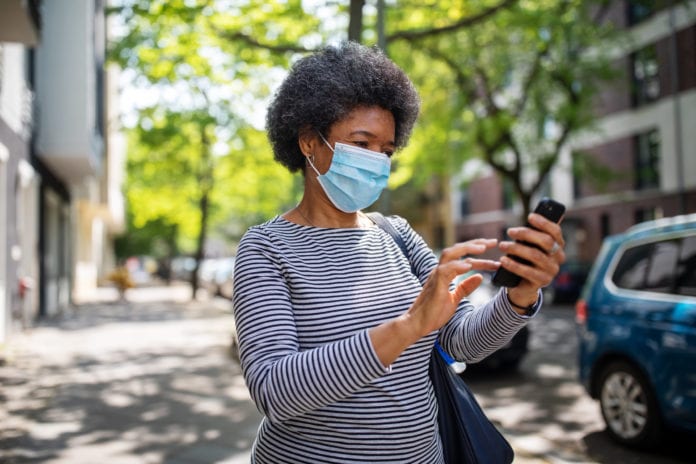 Discover five expert tips to prevent illness and boost your health all year long. Learn about coughing etiquette, vaccines and more from Emory Healthcare.
 -
 What many call the stomach flu is actually norovirus. Learn the causes, symptoms and where to go for treatment.
 -
 Having spine surgery is a big decision, and it’s in your best interest to ask questions so you know how to prepare, and what to expect.
Emory Healthcare Pulse
Recent Posts
-
Oct 6, 2026
-
Sep 25, 2026
-
Sep 17, 2026
-
Sep 5, 2026
-
Aug 20, 2026
-
Aug 7, 2026