
ACL Tears: What to Know to Protect Your Knees

By: Mary Loftus
Date: May 11, 2026

Knowing how ACL (anterior cruciate ligament) injuries happen, and what can be done to repair them, can make a lasting difference in your mobility now and down the road. ACL tears are among the most common and serious knee injuries in sports, whether in pro athletes or weekend warriors, affecting an estimated 100,000 to 250,000 people each year in the U.S. 

Emory Healthcare orthopaedic sports medicine surgeon Rick Danilkowicz, MD, team physician for the Atlanta Falcons as well as several area high schools, answers some common questions about ACL tears.

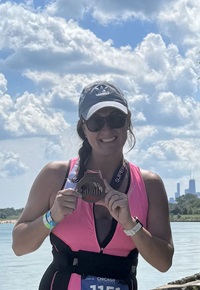
What is the ACL and why is it important? 

The ACL, or anterior cruciate ligament, connects the femur to the tibia and is one of four major ligaments that help stabilize the knee and control its movement. It works alongside the posterior cruciate ligament (PCL), the medial collateral ligament (MCL) and the lateral collateral ligament (LCL).  

“The ACL is one of the main stabilizers of the knee,” says Dr. Danilkowicz. “It helps prevent excessive motion, especially front-to-back movement, and also provides rotational stability.” 

“The ACL is one of the main stabilizers of the knee.”  
-Dr. Rick Danilkowicz, orthopaedic sports medicine surgeon 

How does an ACL injury occur? 

An ACL knee injury typically occurs during cutting, twisting or pivoting activities, when the knee is sharply twisted or extended beyond its normal range.

“Most of the time, it’s a non-contact injury involving a sudden change of direction or coming down from a jump after a rebound or a spike,” Dr. Danilkowicz says. 

Contact injuries (like a football tackle) can also cause ACL tears, but they’re less common and often involve additional damage, he adds.  

“Most of the time, it’s a non-contact injury involving a sudden change of direction or coming down from a jump.”  
-Dr. Rick Danilkowicz, orthopaedic sports medicine surgeon 

Who is most at risk for an ACL injury? 

The “classic” ACL patient is a young athlete, says Dr. Danilkowicz. Sports that involve quick direction changes or jumping — like soccer, basketball and volleyball — carry higher risk. 

Young female athletes are especially vulnerable to ACL tears. Research suggests a combination of causes for this, including differences in anatomy, hormones and movement patterns. 

Increasingly, however, ACL tears are seen in a broader age range.  

“We’re seeing ACL injuries later in life, and older patients are demanding more aggressive treatments,” Dr. Danilkowicz says. “People are staying active longer and want to maintain that lifestyle.” 

Other sports, like skiing, lacrosse, gymnastics, tennis and pickleball, can also cause ACL tears. Some ACL tears can even occur after getting your foot caught while deboarding a plane, stepping off a curb wrong or tripping over your dog, says Dr. Danilkowicz. “Sometimes it’s just a complete fluke.”

“We’re seeing ACL injuries later in life, and older patients are demanding more aggressive treatments.” 
-Dr. Rick Danilkowicz, orthopaedic sports medicine surgeon 

What are the early symptoms of an ACL tear? 

One of the most well-known signs is a “pop.” “You won’t always hear it, sometimes the pop is more something you feel,” says Dr. Danilkowicz. “But it is common.” 

Other symptoms include: 

  • Rapid swelling 
  • Severe pain (especially if attempting to bend, straighten or bear weight on the knee) 
  • Instability or the knee “giving out”
  • Reduced motion 

Interestingly, some people can still walk after the injury, once the inflammation and swelling go down. “Other structures can compensate,” he says. “But when you try higher-level activities, that’s when you notice the instability.” 

“You’d be hard-pressed to find many instances of ACL injuries that were silent. It’s going to let you know something happened.”  
-Dr. Rick Danilkowicz, orthopaedic sports medicine surgeon 

How are ACL tears treated? 

Treatment depends on your age, activity level and goals. Often, especially for young athletes or active individuals, ACL surgery is the best option.  

“In younger patients, the standard is an autograft – to reconstruct the ACL using your own tissue,” says Dr. Danilkowicz, who usually recommends this for patients 40 and under. Graft options include the hamstring, quadriceps and patellar tendons. “Your own tissue is more robust when young and has a lower retear rate over time.” 

In older patients, an allograft (donor tissue) is used, which usually results in a less invasive surgery and an easier recovery since tissue isn’t taken from a second site.   

Sometimes, non-surgical treatments are sufficient for partial tears or less-active older individuals. In these cases, says Dr. Danilkowicz, patients can try physical therapy to strengthen surrounding muscles.  

Even then, ACL surgery may ultimately still be needed

“I ask patients after rehab, ‘Are you happy with your knee?’ If not, I recommend surgery.” 
-Dr. Rick Danilkowicz, orthopaedic sports medicine surgeon 

Back in Motion: Abigail's Recovery Journey

AbigailFor Abigail, staying active is essential. From early morning runs before long days as a school principal to weekends on the water with her children and winters spent skiing, movement helped her manage stress and stay connected to the people and activities she loved.
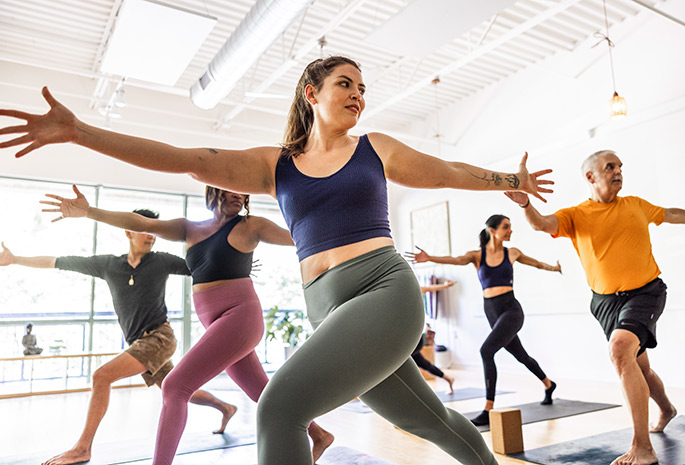


Everything changed after she tore her ACL. Although she underwent reconstructive surgery and rehabilitation, she never felt her knee was fully stable and suspected the surgery had failed. Months turned into years and, despite her efforts to continue rehabbing, she knew something still wasn’t right.

Frustrated and seeking answers, Abigail turned to Emory Healthcare and Dr. Rick Danilkowicz, where further testing revealed that her initial ACL reconstruction had indeed failed. After undergoing revision ACL reconstruction at Emory, she quickly noticed improved stability and, more than a year later, has returned to many of the activities she enjoys. Her advice to others: Stay committed to rehab, listen to your body, and “trust the science — but also trust yourself.”

When and where should you seek medical care for a possible ACL injury? 

You can start with an urgent care clinic or your primary care doctor — but going directly to a sports medicine or orthopaedic specialist may speed things up, says Dr. Danilkowicz. Diagnosis typically includes a physical exam and an MRI scan. Early evaluation can improve outcomes.  

Academic medical centers like Emory Healthcare are leading the way in ACL research and treatment.  

“Going to the thought leaders in the field who are researching how to get better outcomes, such as which grafts work best for which patients, is usually in your best interest,” Dr. Danilkowicz says.  

At Emory, he adds, patients benefit from access to the latest research and clinical trials, specialists focused on sports injuries, and advanced rehab and prevention programs.

Expert sports medicine care, when and where you need it 

Dr. Danilkowicz treats patients at both Emory Orthopaedics & Spine Center locations in Flowery Branch and Johns Creek. Schedule an appointment with our sports medicine team at any one of our 13 locations for sports, spine or joint pain needs.  

ACL tears and other injuries don’t always happen between 9 a.m. and 5 p.m. Visit the Emory Orthopaedic Walk-In Clinic for immediate treatment. Open evenings and Saturdays, with no appointment needed. 

About Emory Orthopaedics & Spine Center

Emory Orthopaedics & Spine offers comprehensive orthopedic and spine care at multiple locations across the Atlanta metro area, and our orthopedic and spine programs are ranked among the top in the nation. Our highly trained orthopaedic and spine specialists work together to diagnose and treat a wide variety of orthopaedic, spine, and sports medicine conditions.

Our physicians use innovative approaches to care – many of them pioneered right here at Emory – to ease your pain and get you back to an active lifestyle.

Emory University Orthopaedics & Spine also has among the highest patient satisfaction and best outcome rates in the nation* for your surgery. By using advanced research techniques developed by our top surgeons, we can make sure your surgery is done right the first time.

*Results based on an average of 86% patient satisfaction rating compared to a national benchmark of similar facilities at 68%. Infection rates averages at .45% for primary hip and knee procedures compared to .58% nationally.

Cancer Care

Leading orthopaedic and sports medicine treatments

Learn about Emory Orthopaedics & Spine care. Make an appointment online, find a provider or call 404-778-3350 to schedule an appointment.


Related Posts

  • monica pearson smiling
    Atlanta icon Monica Pearson conquered knee pain and reclaimed her active life after robotic-assisted partial knee replacement at Emory Healthcare.
  • College student Hanbi
    College student Hanbi found relief from chronic back and leg pain with minimally invasive spine surgery at Emory Healthcare. After years of failed treatments, endoscopic surgery quickly relieved her symptoms and helped her return to school, sports and everyday life.
  • emory healthcare doctors at atlanta united game
    Emory Healthcare sports medicine treats Atlanta’s pro teams and everyday patients with advanced orthopaedic care, injury prevention, innovative treatments and faster recovery outcomes.

Emory Healthcare Pulse

For more stories and health and wellness tips, sign up for our monthly newsletter.


Sign Up


Recent Posts