
For many people, a traumatic event fades over time. But for others, the memories stay vivid and painful long after the danger has passed. They may feel constantly on edge, struggle to sleep or avoid reminders of what happened.
This condition is called post-traumatic stress disorder, or PTSD. And while it can feel overwhelming, experts say effective treatment can help people heal and regain their quality of life.
“People with PTSD often feel haunted day and night,” says Barbara Rothbaum, PhD, executive director of the Emory Healthcare Veterans Program. “The good news is we have very good treatments.”
PTSD: Signs, Symptoms, Treatment and Hope for Recovery
Date: Jun 17, 2026

PTSD: Signs, Symptoms, Treatment and Hope for Recovery
What is PTSD?
PTSD is a mental health condition that can develop after someone experiences, witnesses or learns about a traumatic event. Trauma can include:
- Military service
- Sexual assault
- Physical assault
- Serious car accidents
- Natural disasters
- Childhood abuse
- Severe illness or medical trauma
- Sudden loss of a loved one
People with PTSD may relive the trauma through nightmares, flashbacks or upsetting memories. They may avoid places or conversations that remind them of the event. Many also feel anxious, emotionally numb or constantly alert for danger.
Rothbaum says PTSD is rooted in the brain’s natural survival system.
Humans are hard-wired to remember life-threatening situations for our long term survival. If you were on a hike in the jungle and a tiger ran out of a cave and you survived, you would never forget that cave.
"Humans are hardwired to remember life-threatening experiences for survival. Struggling with symptoms of PTSD doesn’t mean you’re broken. It means you’re human.”
-Barbara Rothbaum, PhD, executive director, Emory Healthcare Veterans Program
How common is PTSD?
PTSD is more common than many people realize. According to Rothbaum, about 70% of people will experience at least one potentially traumatic event during their lifetime. About 10% of people experience PTSD at any given time. Some groups face a higher risk, including:
- Veterans and active-duty military members
- First responders
- Survivors of sexual assault
- People exposed to repeated trauma
- Women, who are diagnosed with PTSD more often than men
PTSD is especially common in people who believed their life — or someone else’s life — was in danger during the traumatic event.
PTSD symptoms: What does it feel like?
PTSD affects both the mind and body. Common PTSD symptoms include:
- Nightmares
- Flashbacks
- Trouble sleeping
- Feeling emotionally numb
- Avoiding reminders of the trauma
- Anxiety or panic
- Irritability
- Feeling constantly “on guard”
- Being easily startled
- Difficulty concentrating
Rothbaum describes many people with PTSD as feeling unsafe all the time.
“They often feel like prey in a world full of predators,” she says.
PTSD symptoms can also affect physical health over time, increasing stress on the body and contributing to problems such as chronic pain, high blood pressure and sleep disorders.
Why do some people develop PTSD and others don’t?
Researchers are still trying to fully understand why trauma affects people differently.
Two people can go through the same event but have very different emotional experiences afterward.
Risk factors may include:
- Genetics
- Past trauma
- Lack of social support
- Severity of the event
- Feeling helpless or trapped during the trauma
- Existing anxiety or depression
Support from family, friends and mental health professionals can make a major difference after a traumatic event.
“Talking about it helps people emotionally process what happened,” Rothbaum says. “When people avoid the memory and push it away, it can continue to haunt them.”
When should you seek help for PTSD?
After a traumatic event, it is normal to feel upset, anxious or fearful for a period of time.
For many people, those symptoms improve naturally over several weeks.
It may be time to seek treatment if:
- Symptoms last longer than a month
- You feel “stuck” and are not improving
- PTSD symptoms interfere with work, relationships or daily life
- You avoid activities or people because of fear
- Sleep problems or anxiety are becoming severe
Rothbaum says treatment can help whether PTSD started recently or decades ago.
“Studies show people respond just as well to treatment whether they’ve had PTSD for one year or 50 years,” she says.
"Trauma has to be emotionally processed so it becomes less painful."
-Barbara Rothbaum, PhD, executive director, Emory Healthcare Veterans Program
PTSD treatment: What works?
Many people with PTSD delay treatment because they feel ashamed, weak or afraid to revisit painful memories.
But PTSD is not a personal failure. It is a medical condition — and effective help is available.
Today, there are several evidence-based PTSD treatments that can significantly reduce symptoms:
-
One of the most effective approaches is cognitive behavioral therapy, or CBT. Two leading forms of CBT for PTSD are:
- Prolonged Exposure Therapy (PE)
- Cognitive Processing Therapy (CPT)
These therapies help people gradually process traumatic memories instead of avoiding them.
“The process is similar to the grief process," says Rothbaum. "When a loved one dies, it is extremely distressing, but by expressing that hurt, it gradually becomes less upsetting. Eventually, we can think about that person without crying, although the loss will always be sad. Those with PTSD devote much effort to avoiding thinking about the trauma because they mistakenly view the process of remembering as too agonizing to tolerate."
Therapists may also help patients slowly face safe situations they have been avoiding, helping the brain relearn that the danger has passed.
-
Sometimes recalling the memory is difficult because it has been locked away for so long. Virtual Reality (VR) Exposure therapy immerses the patient in a virtual world that is reminiscent of his or her traumatic memory. As the patient describes the memory to the therapist, the therapist is able to recreate scenes of the memory, complete with smells, vibrations and landscapes.
“VR is a tool that helps to extend what we already do effectively, which is exposure therapy for PTSD and anxiety disorders. It helps to resolve some of the barriers we can sometimes encounter, like if a person is unable to connect fully with their traumatic memory, we can use VR to help strengthen that connection,” said Liza Zwiebach, PhD, clinical director, Emory Healthcare Veterans Program.
-
The Emory Healthcare Veterans Program is proud to lead the way in advancing and transforming mental health care by conducting research focused on innovative treatment options. There is growing evidence that psychedelic therapy is safe and effective for mental health conditions. The program is currently conducting clinical trials investigating psychedelic-assisted therapy as potential treatments for PTSD. Treatment involves a one-time dose of MDMA or psilocybin in combination with prolonged-exposure therapy.
“The trauma happened, and it will always be part of their story. But it doesn’t have to control their life.”
-Barbara Rothbaum, PhD, executive director, Emory Healthcare Veterans Program
The Emory Healthcare Veterans Program: A different approach to PTSD care
The Emory Healthcare Veterans Program offers a unique, free PTSD treatment model for post-9/11 veterans and service members across the United States.
What makes the program especially unique is its two-week intensive outpatient program.
Program participants travel to Atlanta for two weeks of concentrated therapy — receiving more treatment in that short time than many people receive over an entire year.
Rothbaum believes the intensive model helps patients stay engaged in treatment.
“PTSD is a disorder of avoidance,” she says. “In many clinics, about half of patients drop out of therapy. In our program, more than 90% complete treatment.”
The program is part of Wounded Warrior Project’s Warrior Care Network, alongside programs at Massachusetts General Hospital, Rush University Medical Center and UCLA Health.
Can PTSD go away?
Experts do not usually use the word “cure” for PTSD. With treatment, people may improve so that PTSD no longer interferes with their lives.
Most (75%) of Emory Healthcare Veterans Program patients no longer meet the medical criteria for PTSD after treatment and 85% of them will maintain those gains a year after completing treatment.
“The trauma happened, and it will always be part of their story,” Rothbaum says. “But it doesn’t have to control their life.”
Most (75%) of Emory Healthcare Veterans Program patients no longer meet the medical criteria for PTSD after treatment and 85% of them will maintain those gains a year after completing treatment.
“The trauma happened, and it will always be part of their story,” Rothbaum says. “But it doesn’t have to control their life.”
Explore PTSD treatment with Emory Healthcare Veterans Program
For veterans and service members struggling with PTSD, depression, anxiety or trauma-related symptoms, the Emory Healthcare Veterans Program offers free, confidential care for eligible post-9/11 veterans and service members nationwide.
Call 888-514-5345 or complete this online form to take the next step toward healing your invisible wounds.

Emory Healthcare Veterans Program
The Emory Healthcare Veterans Program provides internationally renowned mental health care for healing the invisible wounds of military service. For more information, please call 888-514-5345 to request an appointment.
Related Posts
-
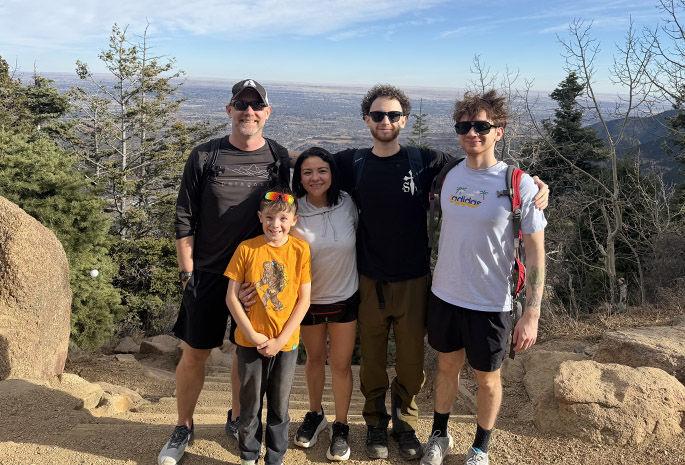 Army medic James shares his journey from battlefield trauma to healing through an accelerated treatment program at the Emory Healthcare Veterans Program.
 -
 After 30 years of military service and multiple deployments, Colonel (Ret.) Sean Fisher found support through the Emory Healthcare Veterans Program. Learn how structured care helped him reconnect with his family and manage the long-term effects of service.
 -
 Daniel’s journey from soldier to mentor reveals the hidden battles veterans face after service—and the power of purpose-driven healing. Discover how the Emory Healthcare Veterans Program helped him reclaim his life and inspire others to do the same.
Emory Healthcare Pulse
Recent Posts
-
Oct 6, 2026
-
Sep 25, 2026
-
Sep 17, 2026
-
Sep 5, 2026
-
Aug 20, 2026
-
Aug 7, 2026